
Your Garage Door Shouldn't Sound Like That
You press the button on your garage door opener and instead of the smooth, quiet operation you're used to, you hear something unsettling — a loud grinding, a high-pitched squeal, or a rhythmic banging that makes the neighbors look over. If your garage door has started making strange noises, you're not alone. It's one of the most common concerns we hear from homeowners in Agoura Hills and the surrounding communities.
The good news is that most garage door noises point to identifiable problems, many of which are straightforward to fix when caught early. The bad news is that ignoring them can lead to more expensive repairs — or even a complete garage door failure. Let's break down the most common sounds and what they're trying to tell you.
Grinding or Scraping Sounds
A grinding or scraping noise when your garage door opens or closes is one of the more alarming sounds you might hear. This typically points to one of a few issues:
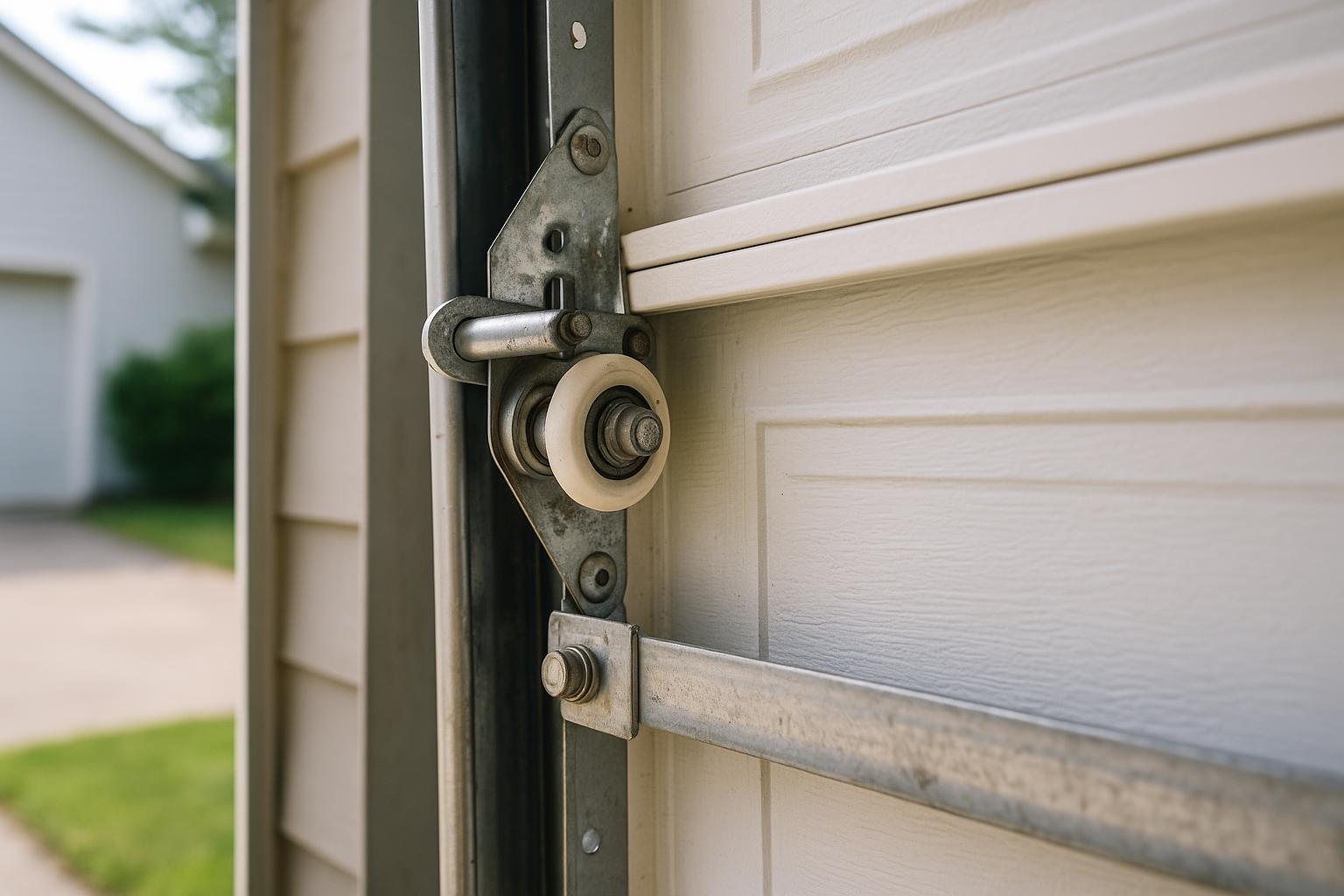
- Worn or misaligned rollers: Over time, the rollers that guide your door along the tracks can wear down, especially if they're made of plastic or bare steel. When they deteriorate, they no longer glide smoothly and create a harsh grinding sound.
- Track misalignment: If the metal tracks on either side of your door have shifted or become bent, the door can scrape against them as it moves. This not only creates noise but can cause serious damage to the door panels if left uncorrected.
- Lack of lubrication: Metal-on-metal contact without proper lubrication creates friction, which produces that unmistakable grinding sound.
If you hear grinding, it's worth having a technician inspect the rollers and tracks before the problem escalates. Upgrading to nylon rollers, for instance, can dramatically reduce noise and extend the life of your system.
Squealing or Squeaking Sounds
A high-pitched squeal or squeak is usually a cry for lubrication. Your garage door system has numerous moving parts — hinges, rollers, bearings, and the torsion spring system — that all need periodic lubrication to function quietly and efficiently.
Here in Agoura Hills, the warm, dry climate can cause lubricant to dry out faster than you might expect. We recommend applying a silicone-based or lithium-based garage door lubricant to all moving parts every six months. Avoid using WD-40 as a long-term lubricant — while it's great for loosening stuck parts, it evaporates quickly and doesn't provide lasting protection.
If lubrication doesn't solve the squealing, the issue could be worn-out bearings in the rollers or the torsion spring system, which should be inspected and replaced by a professional.
Rattling or Vibrating Sounds
A rattling noise often means something has come loose. Your garage door is a heavy piece of equipment that moves up and down multiple times a day, and that constant motion can gradually loosen nuts, bolts, and screws throughout the system.
Common culprits include:
- Loose hardware: The bolts that secure the track brackets, hinges, and roller brackets can work themselves loose over time.
- A loose chain or belt: If your garage door opener uses a chain drive, a loose chain will rattle and vibrate during operation. Belt-drive openers can also develop slack over time.
- Worn opener components: Internal parts of the garage door opener, including the motor mount or rail assembly, can vibrate if they're worn or improperly secured.
You can carefully tighten visible nuts and bolts with a socket wrench, but be cautious — never attempt to adjust anything connected to the torsion spring system, as these components are under extreme tension and can cause serious injury.
Banging or Popping Sounds
A loud bang or pop when your garage door operates can be startling. This sound often indicates:
- Panel sections binding: As the door moves along the curved portion of the track, the panel sections need to flex smoothly. If the track is misaligned or a hinge is damaged, the panels can bind and then release suddenly, creating a popping sound.
- Torsion spring issues: A single loud bang — almost like a gunshot — coming from the garage when the door isn't even in use often means a torsion spring has broken. This is a serious issue that requires immediate professional attention. Do not attempt to operate the door if you suspect a broken spring.
- Stripped gear in the opener: If the banging seems to come from the opener unit itself, it could indicate a stripped or worn gear inside the motor assembly.
Humming Without Movement
If you press the button and hear the motor hum but the door doesn't move, the opener is getting power but can't lift the door. This can happen when:
- A spring has broken, leaving the opener unable to handle the full weight of the door
- The door has come off the track or is physically obstructed
- The motor gear inside the opener has stripped out
- The disconnect cord has been pulled, disengaging the door from the opener
In this situation, do not keep pressing the button repeatedly, as this can burn out the motor. Check for obvious obstructions first, and if nothing is visible, call a garage door technician to diagnose the problem.
When to DIY and When to Call a Professional
Some noise-related maintenance is perfectly safe for homeowners to handle on their own:
- Lubricate moving parts every six months with a garage door-specific lubricant
- Tighten loose bolts and screws on tracks, hinges, and brackets
- Visually inspect rollers, tracks, and cables for obvious wear or damage
However, certain repairs should always be left to trained professionals:
- Anything involving torsion springs or extension springs
- Track realignment or replacement
- Opener motor or gear replacement
- Cable repair or replacement
These components are under high tension or involve electrical systems, and improper handling can result in injury or further damage to your garage door.
Don't Ignore the Warning Signs
Your garage door is the largest moving component of your home, and when it starts making unusual noises, it's giving you an early warning. Addressing these sounds promptly almost always saves you money compared to waiting until something breaks completely.
At Precision Garage Door of Agoura Hills, we help homeowners throughout Agoura Hills, Westlake Village, Thousand Oaks, Calabasas, Oak Park, and Newbury Park diagnose and fix noisy garage doors every day. Whether it's a simple lubrication issue or a more complex mechanical problem, we'll give you an honest assessment and get your door running quietly again.
If your garage door has been making sounds that don't seem right, don't wait for a small problem to become a big one. Give us a call and let us take a listen.